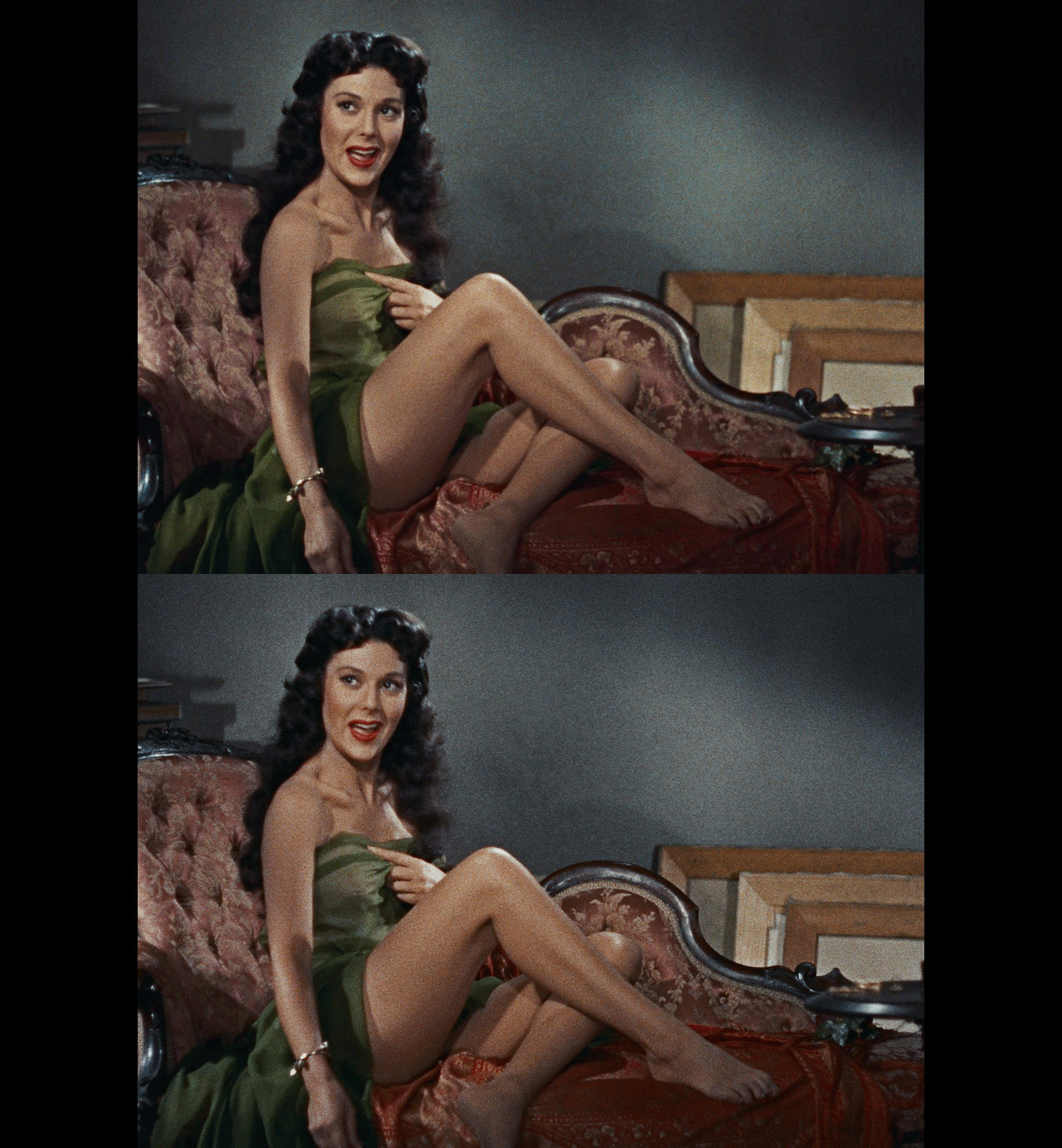
Over the course of my 25 years in the industry, finishing everything from theatrical releases to high-end streaming projects, I've tackled plenty of tricky restorations. But there is a special kind of magic and a unique set of headaches that comes with restoring classic 3D films. Here at Water Tower Color, we recently had the opportunity to resurrect a slate of 1950s stereoscopic titles in collaboration with The Film Foundation.

Before we get into the weeds of the pipeline, let's talk about the mechanics of the format. Stereopsis is the term that describes how we collect depth information from our surroundings using our sight. When you look at something, your left and right eyes see it from slightly different angles. As you focus on objects closer to you, your eyes converge, turning inward toward your nose.
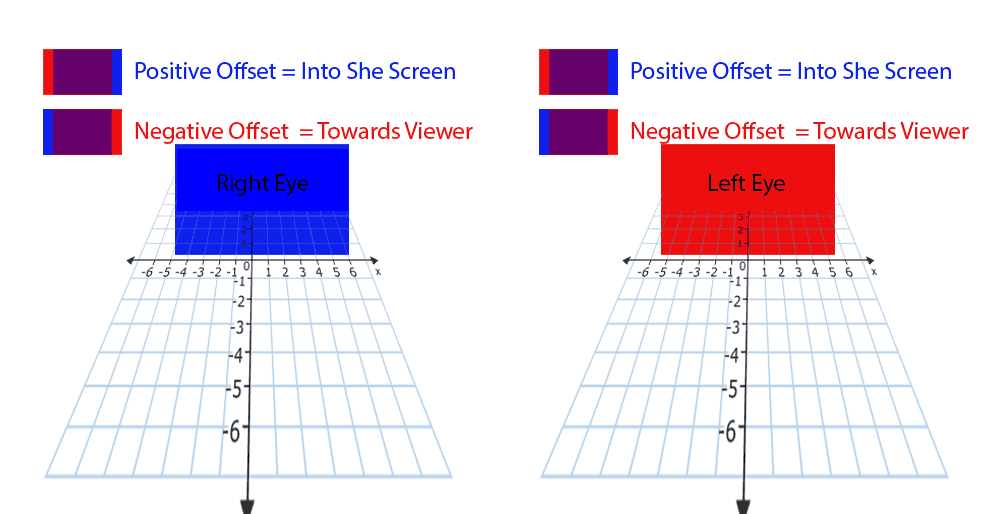
0 on the cartesian plane is the projection screen.
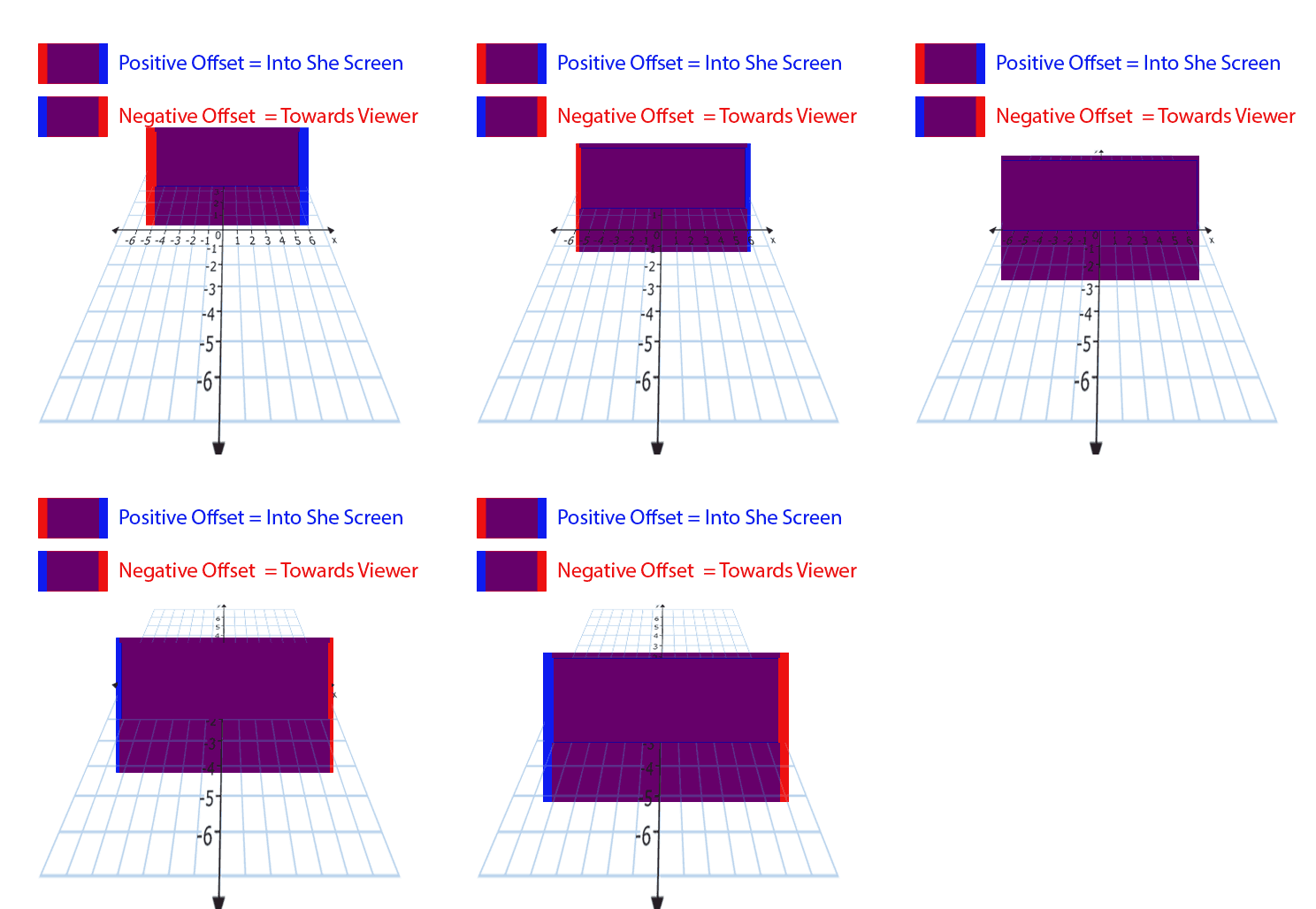
When the rectangles converge we are at screen plane.
Artificial 3D relies on tricking this natural reflex by displaying slightly different images to each eye, forcing them to converge in front of or behind the screen. Our ultimate goal in 3D convergence is always to make the experience comfortable and headache free for the audience.
Let's look at how we tackled some very different stereoscopic challenges across classic animation and live action.
Animation: The Retinal Conflict of Bugs and Popeye
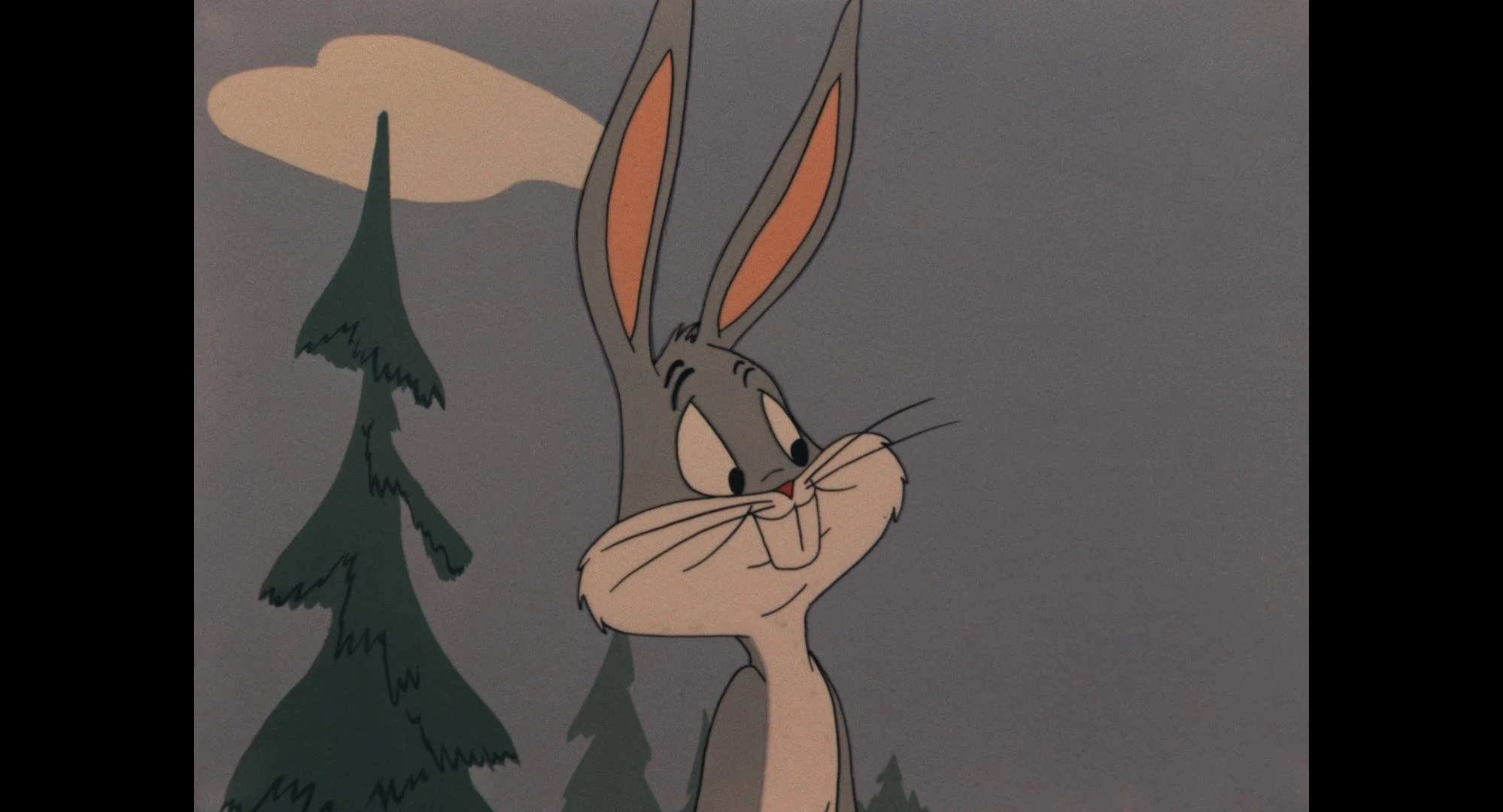
We restored two landmark 3D cartoons from 1953: Lumber Jack-Rabbit and Popeye, the Ace of Space. Both of these restorations were overseen by Warner Bros. Post Production Creative Services, with color grading and 3D convergence completed at Water Tower Color.
Lumber Jack-Rabbit was shot on Eastman Panchromatic BW 5231 using a Technicolor Successive Exposure animation camera, which shoots all three colors (YCM) in succession on a single strip of film. The most significant challenge on this title stemmed from the original Burton 3D dual strip techniques. Unlike modern virtual camera offsets, the animators manually drew the left and right eyes with slightly different perspectives. This resulted in mismatched shapes between the eyes, causing intense retinal conflict and making objects appear at incorrect depths.
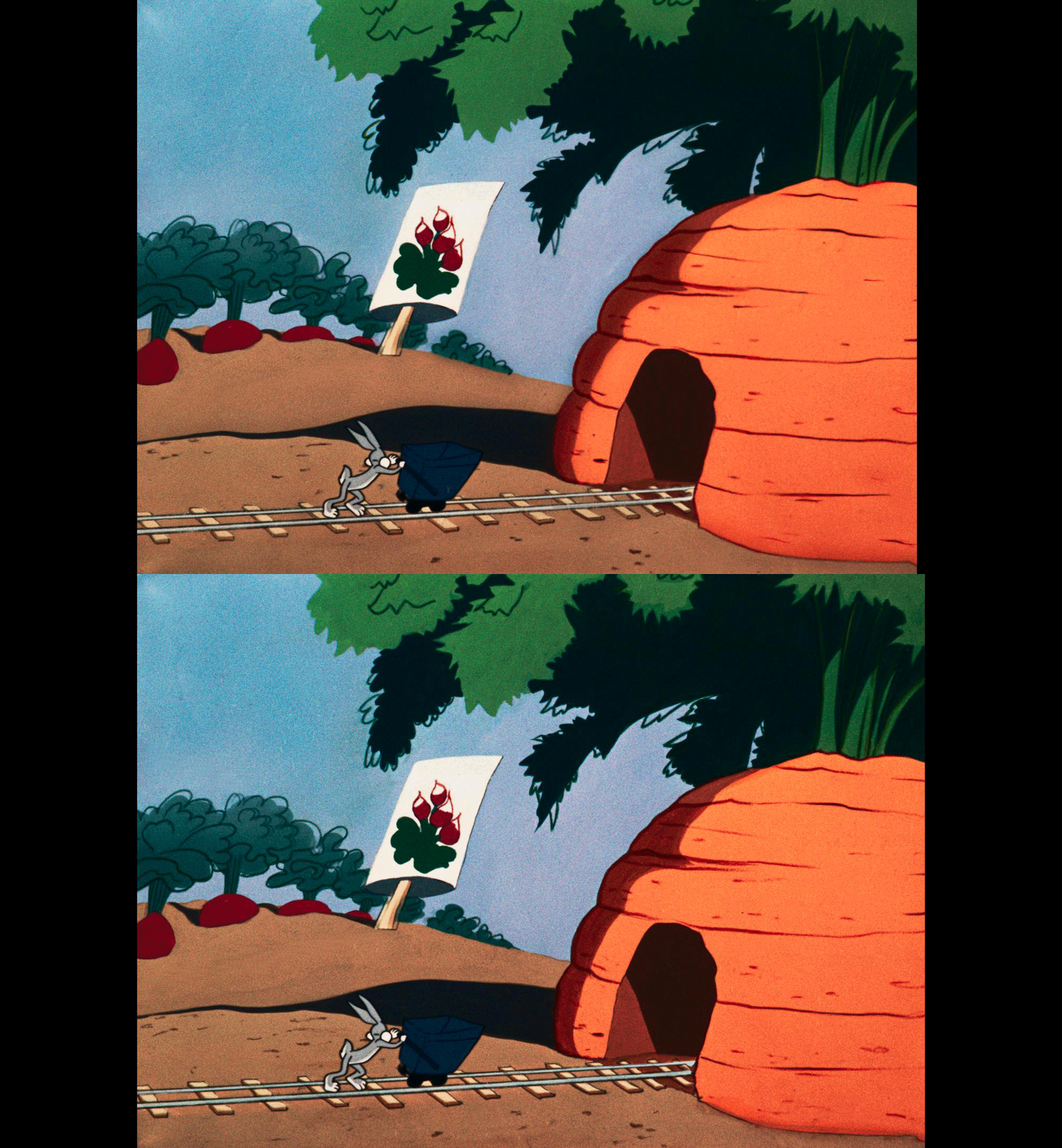
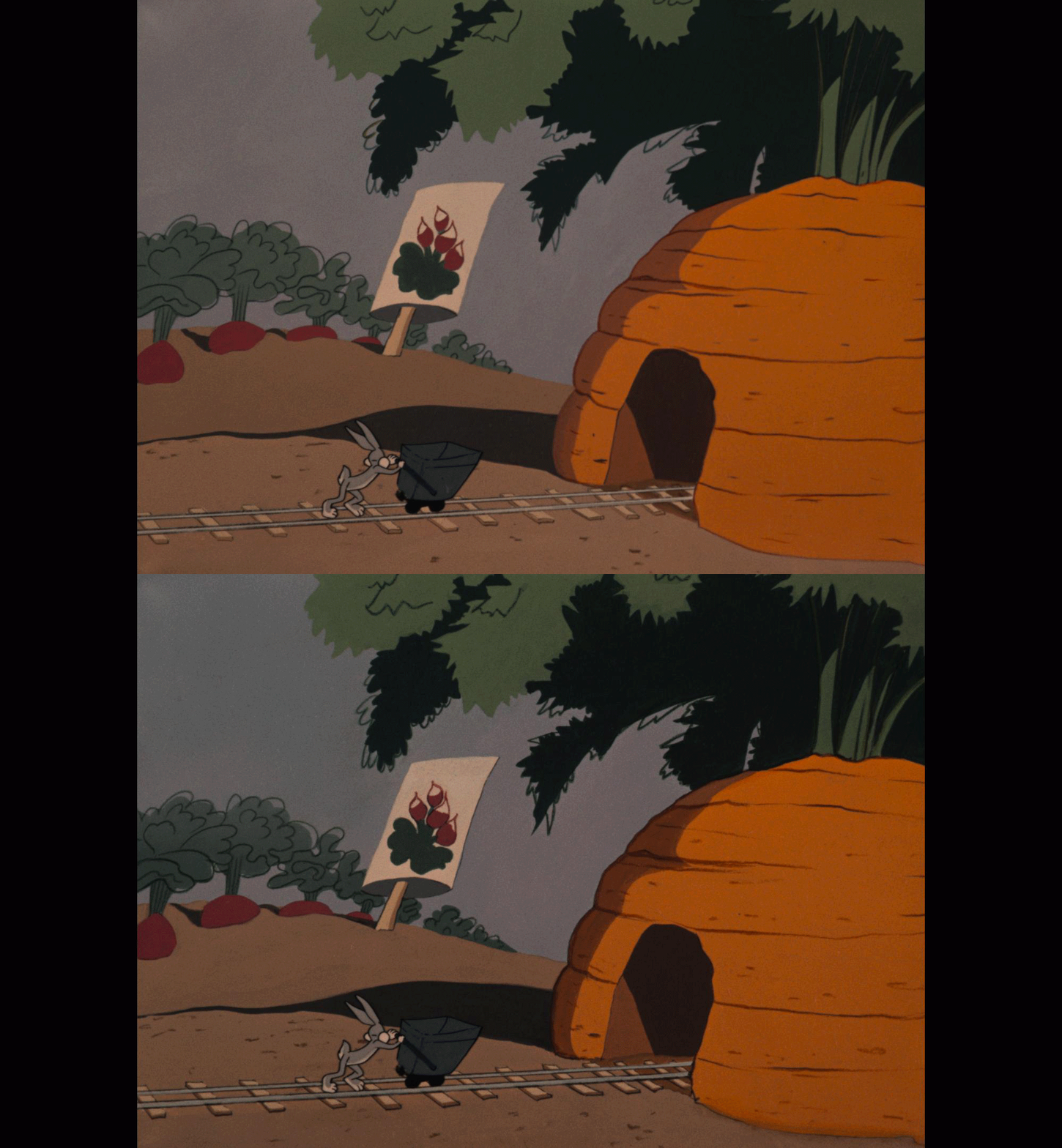
To fix this in Mistika, we threw the kitchen sink at it:
Initially, we applied standard optical flow warping to constrain disparity strictly to the X-axis.
When that failed and shapes remained on the same plane, we composited information from one eye over the other to ensure shapes matched with the correct offset.
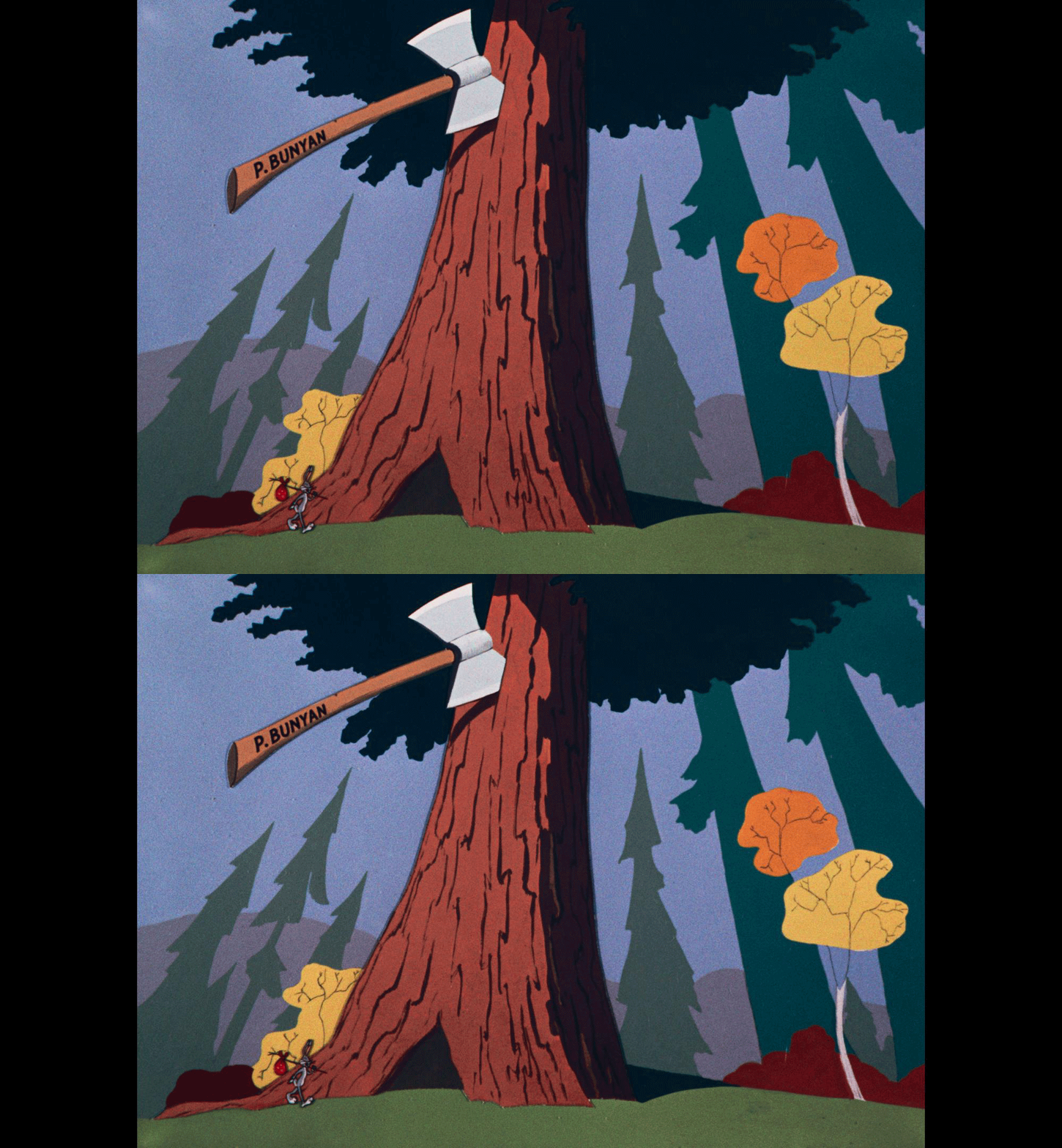
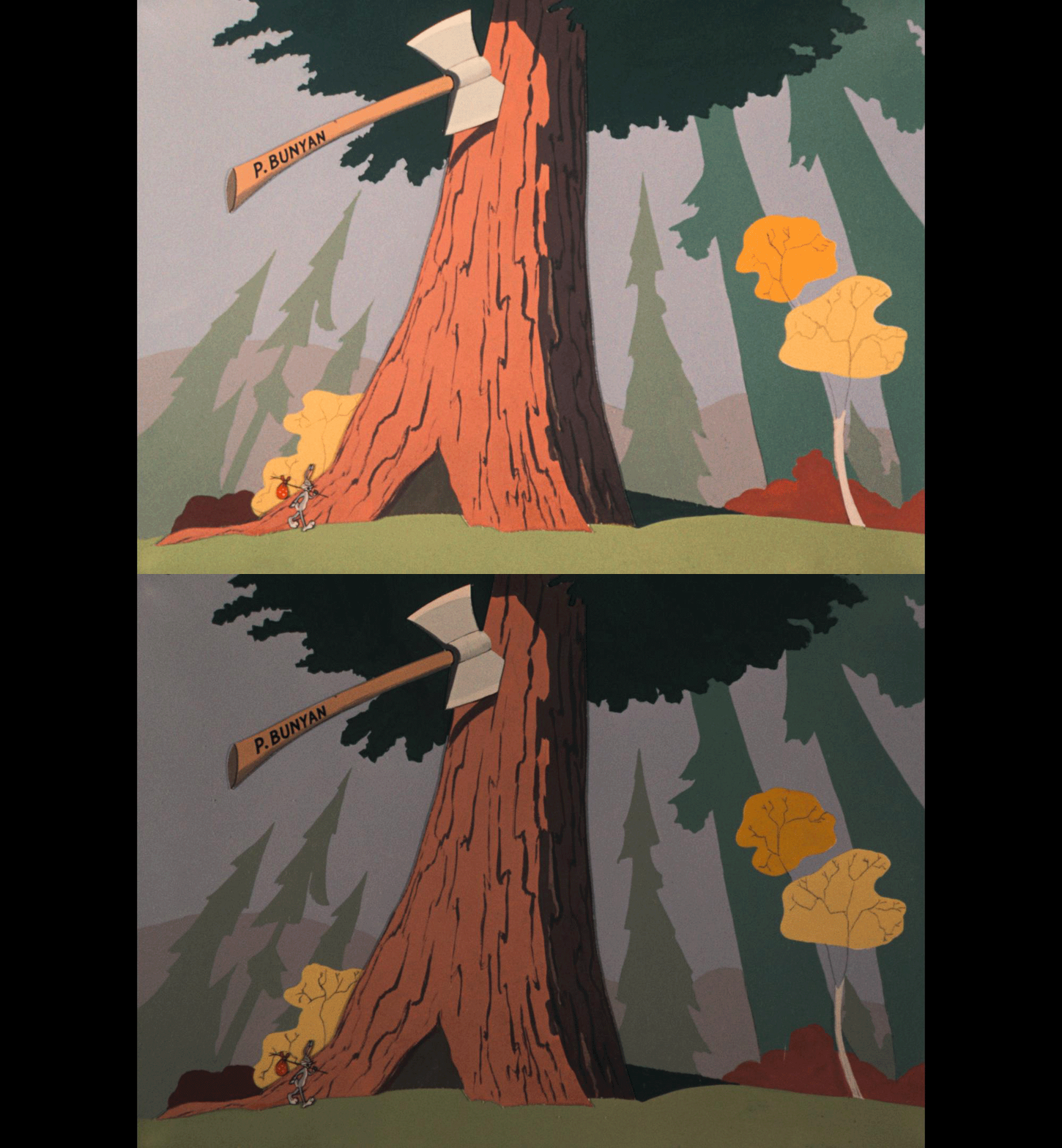
If those methods failed, we discarded the problematic eye and utilized a depth map to recreate the view, essentially doing a stereo conversion.
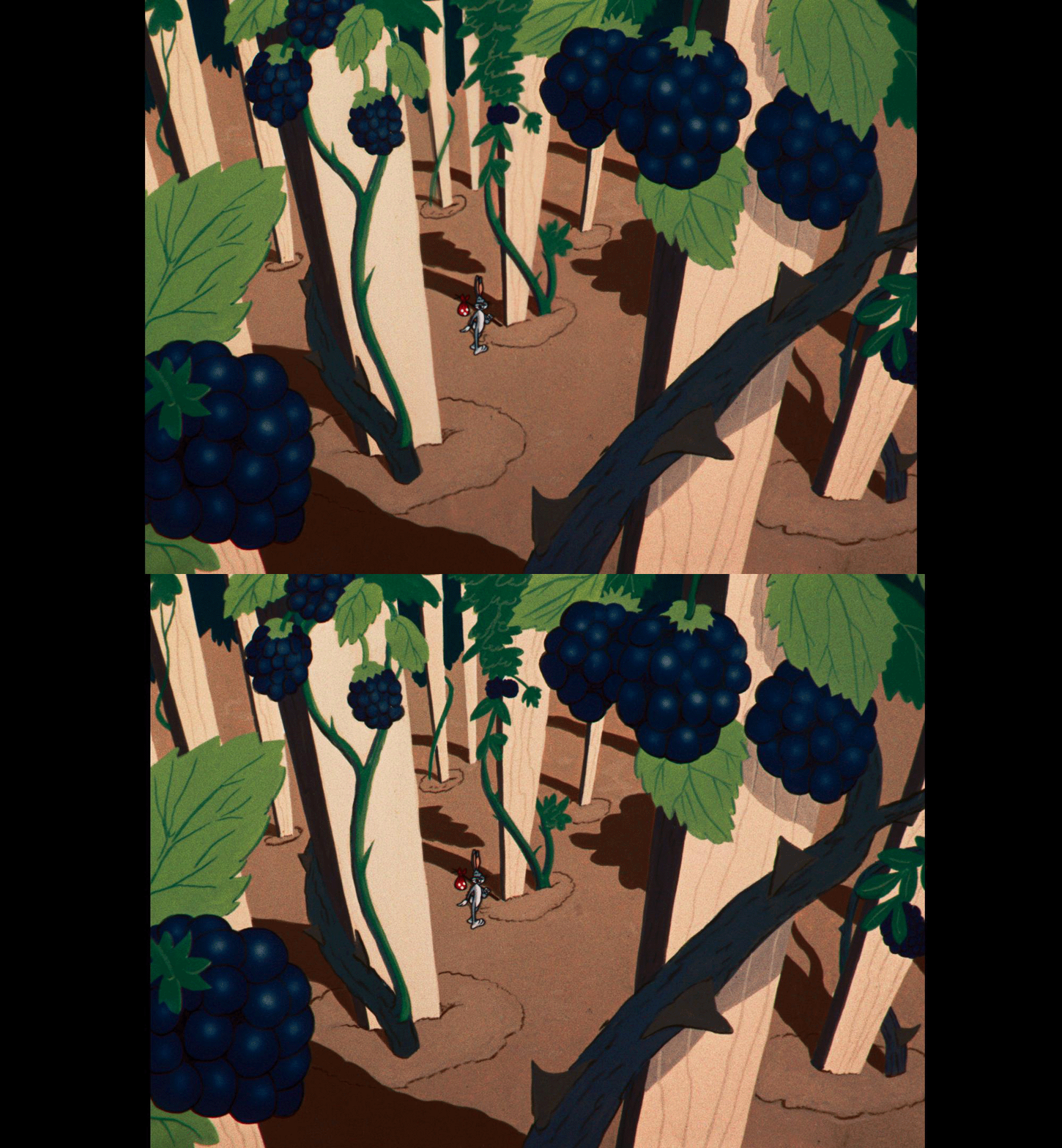
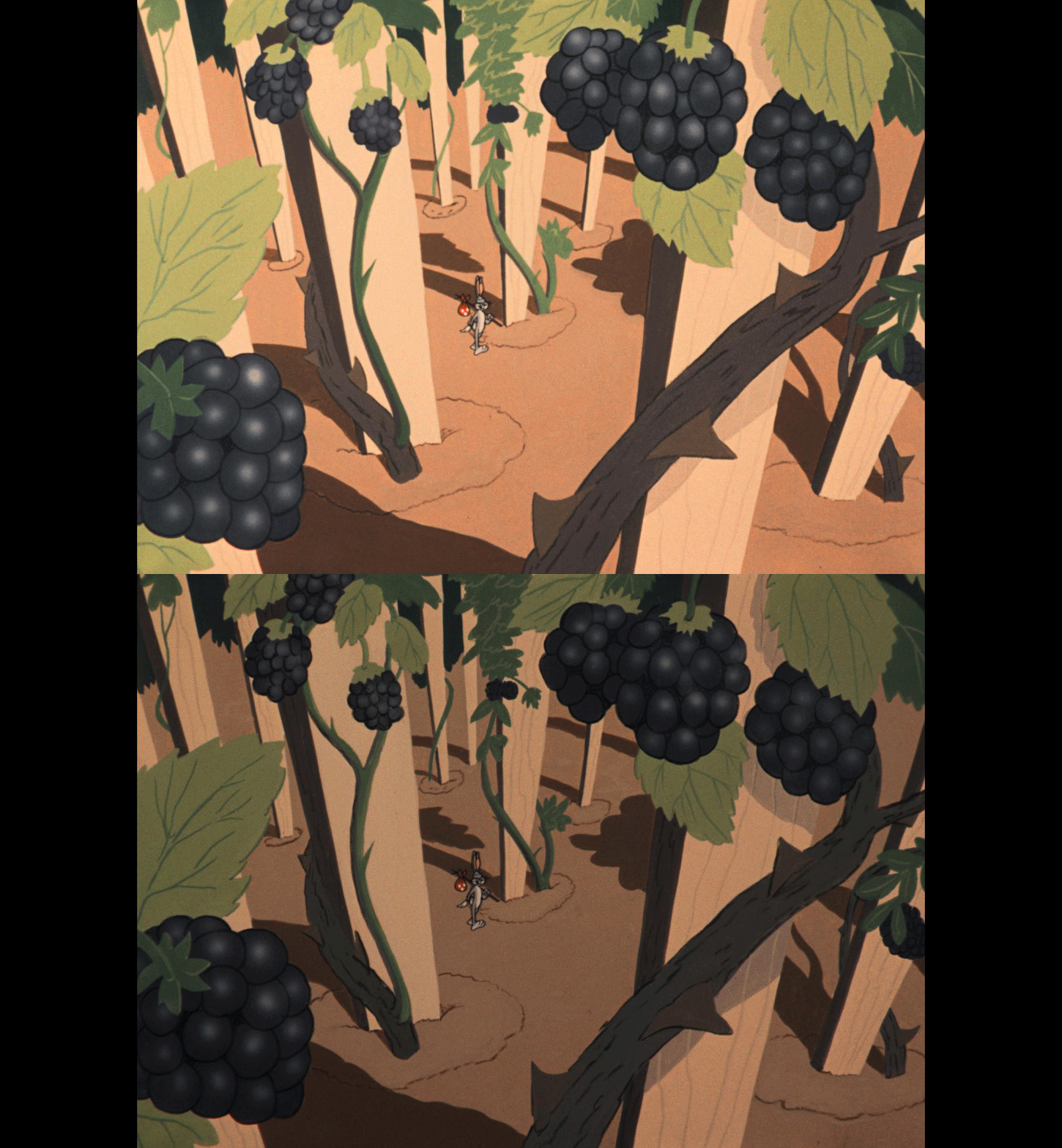
For one specific shot of the dog coming over the hill, none of these techniques were successful, so we relied on a 2.5D approach, dropping to 2D and offsetting the convergence for viewing comfort.
Popeye, the Ace of Space was a slightly smoother ride. Produced by Paramount's Famous Studios, it used the Stereotoon process. Instead of drawing two separate perspectives, they drew a single eye, duplicated the frame, and shifted it to achieve the look. Because the process isolates different visual elements to separate characters from the background, there were significantly fewer issues with retinal conflict.
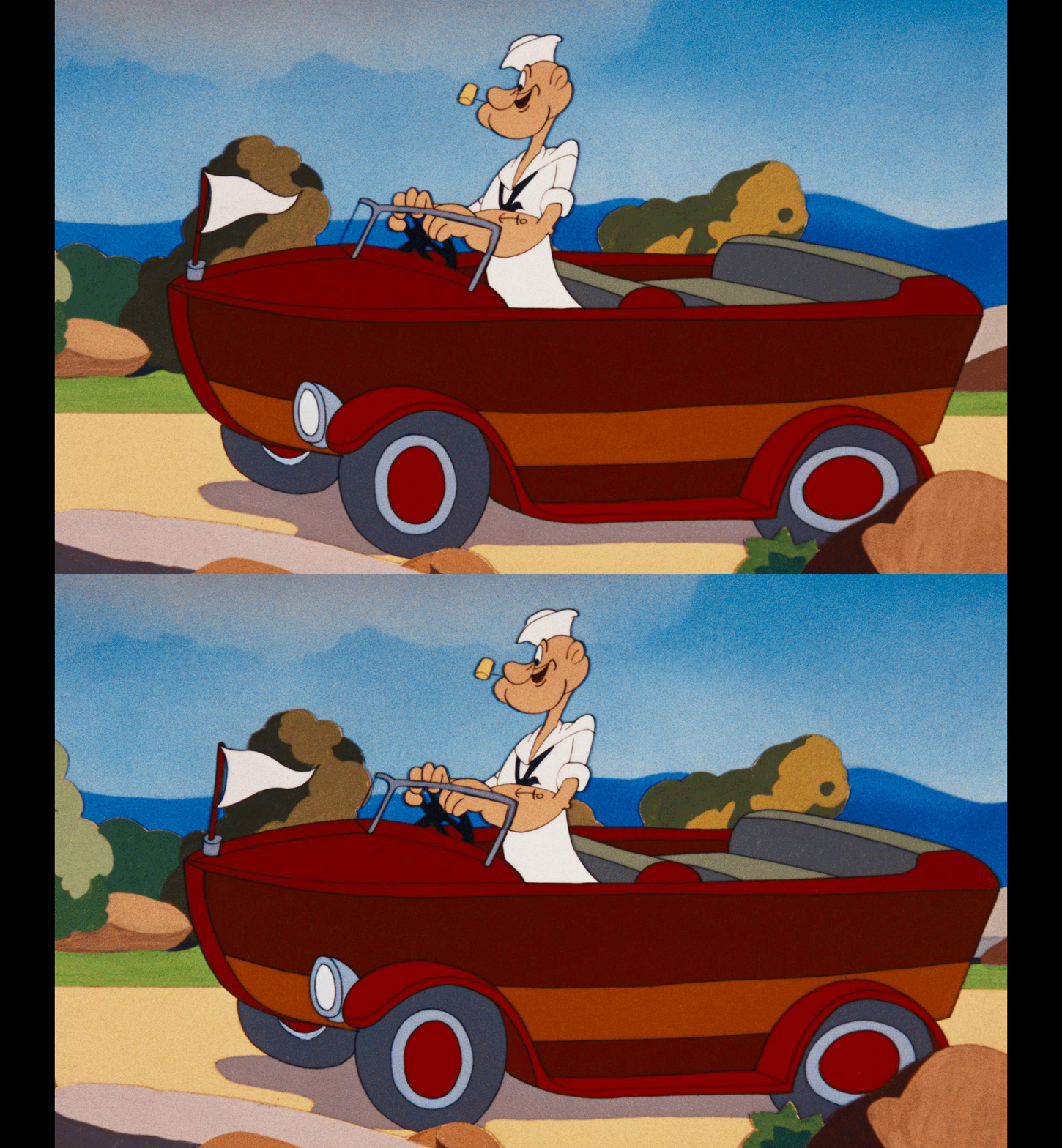
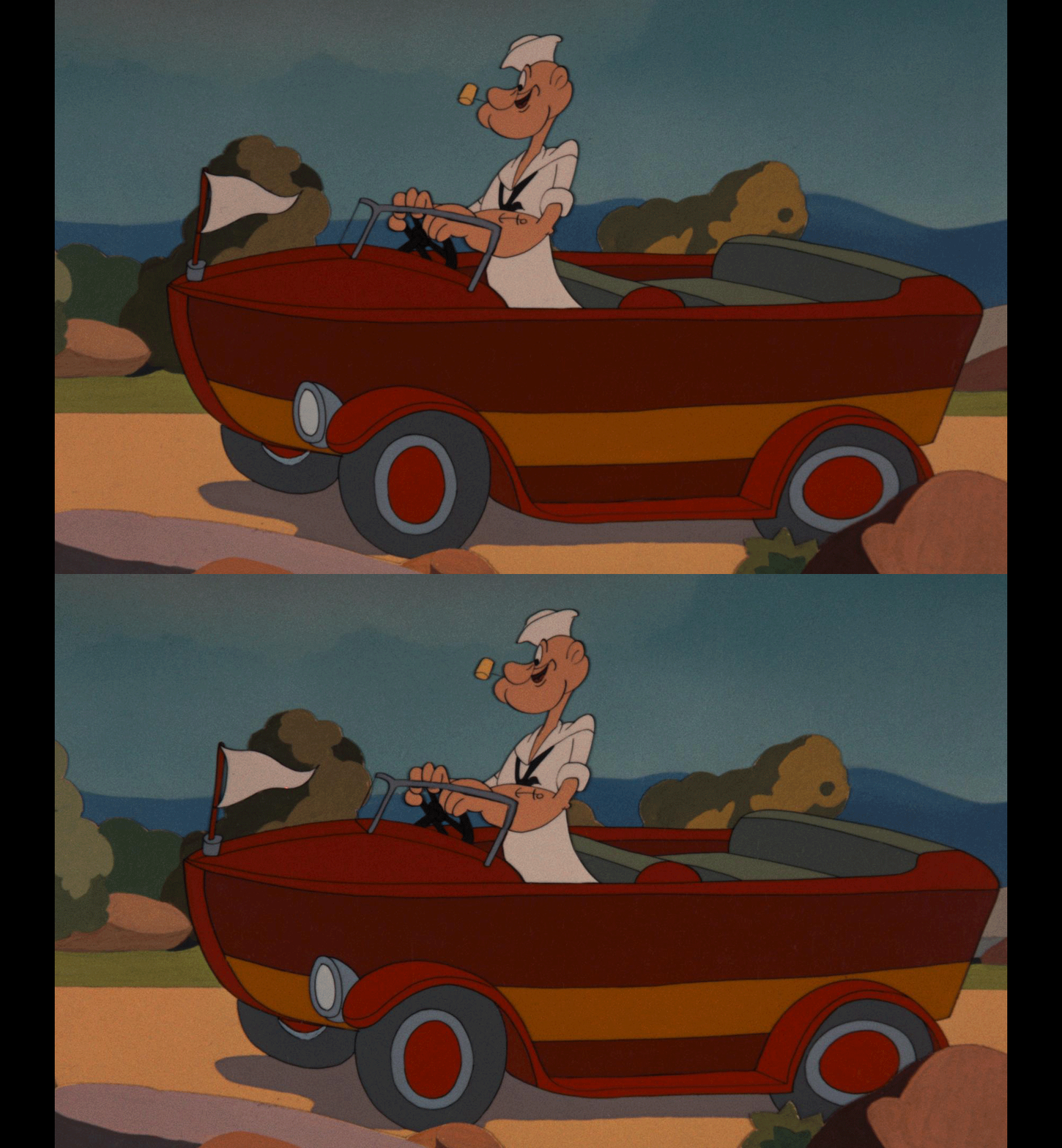
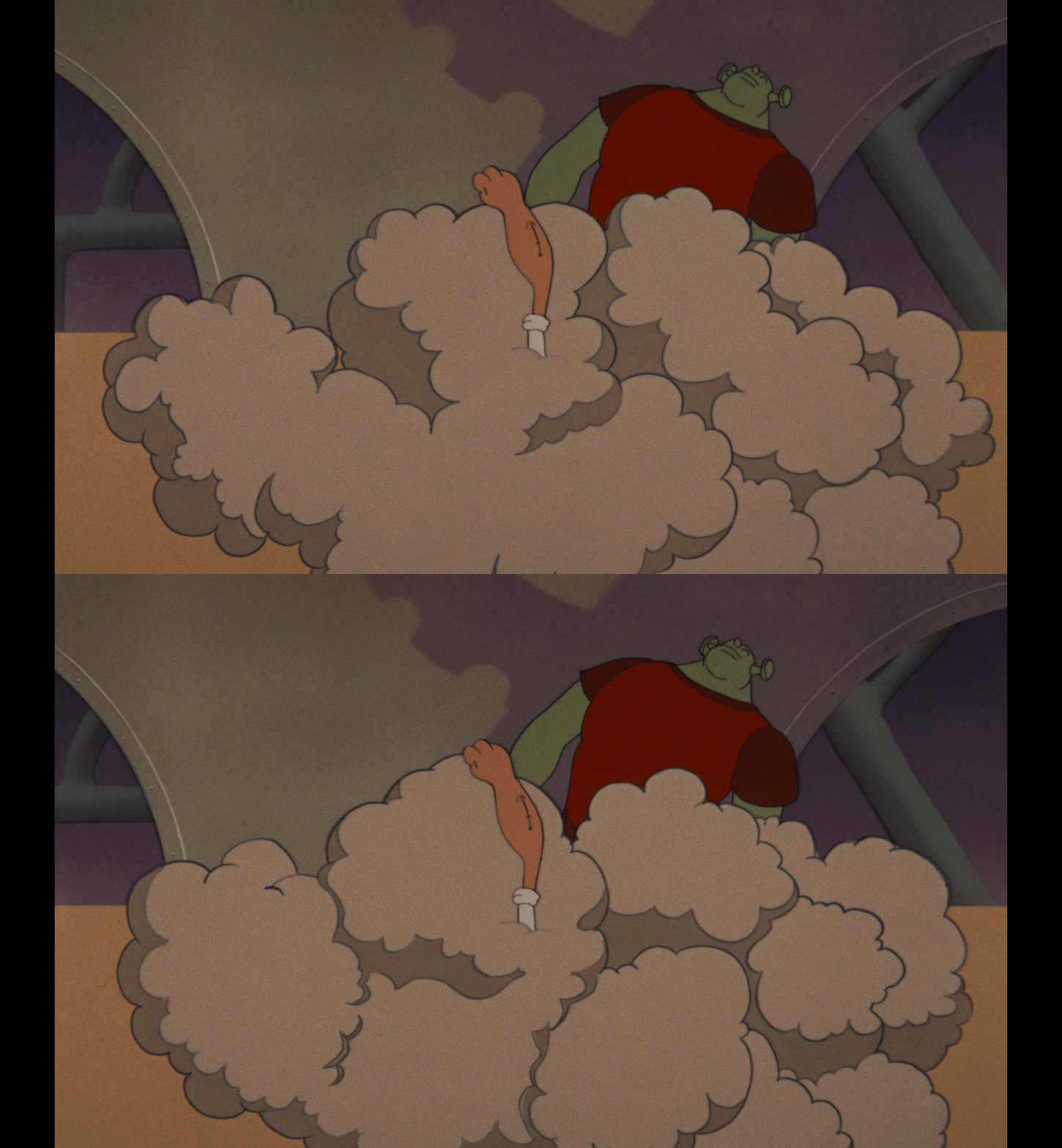
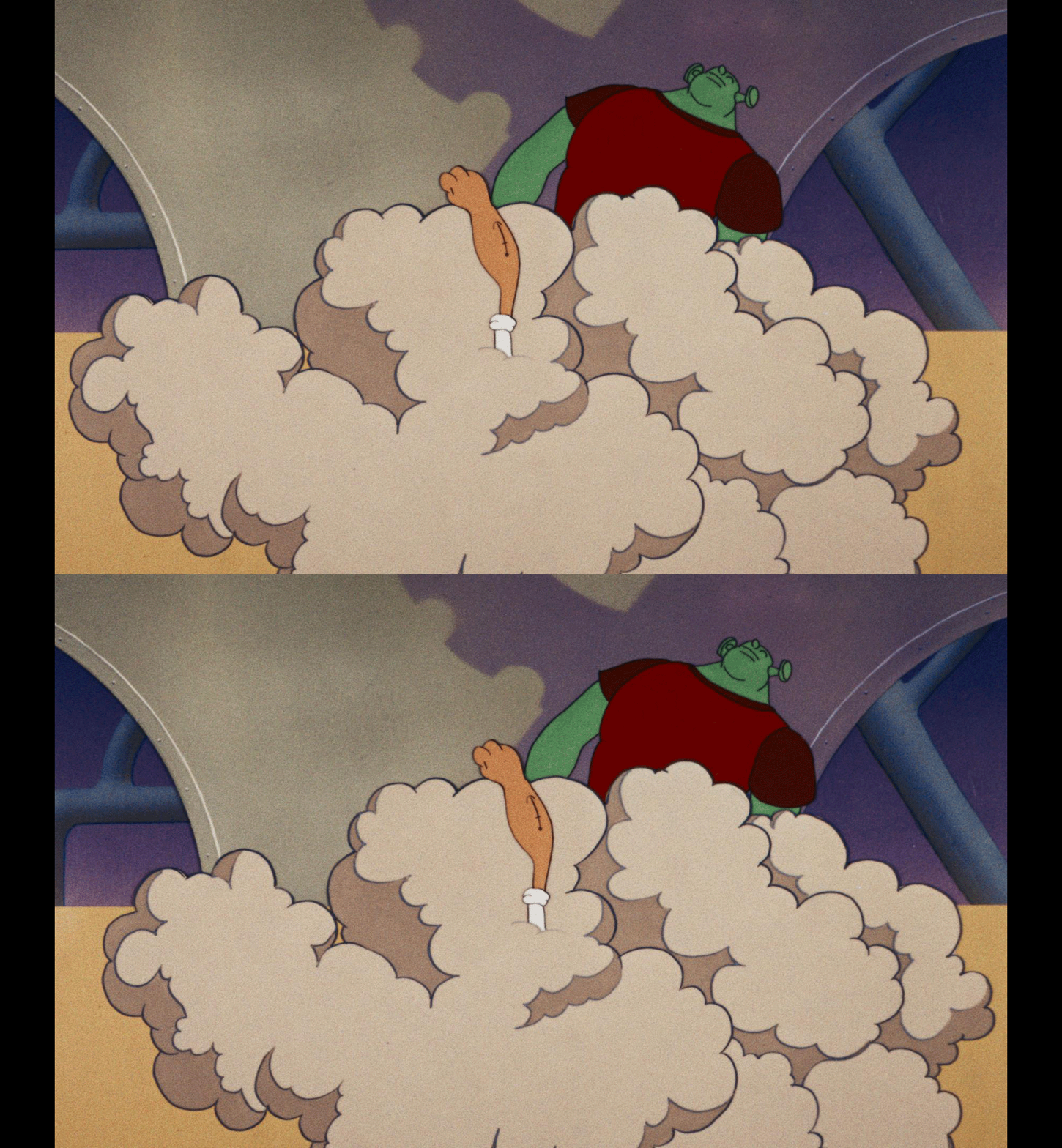
The primary challenges here were missing frames and ghosting. I used optical flow to interpolate the gaps. In a tricky shot where Popeye is fighting aliens in a dust cloud, the dust cycle was out of phase between the eyes. Because we couldn't simply slip the timing and lose sync, I painted the cloud to match the existing frames and used fades to transition in and out of the damaged sections. The 3D work was primarily done in Mistika, with a few final composites finished in Baselight.
Live Action: WarnerVision and the Deep Backgrounds
Moving over to live action, we dug into two 1954 features shot on WarnerColor negative 5248 using the dual strip WarnerVision camera system: Phantom of the Rue Morgue and The Bounty Hunter.
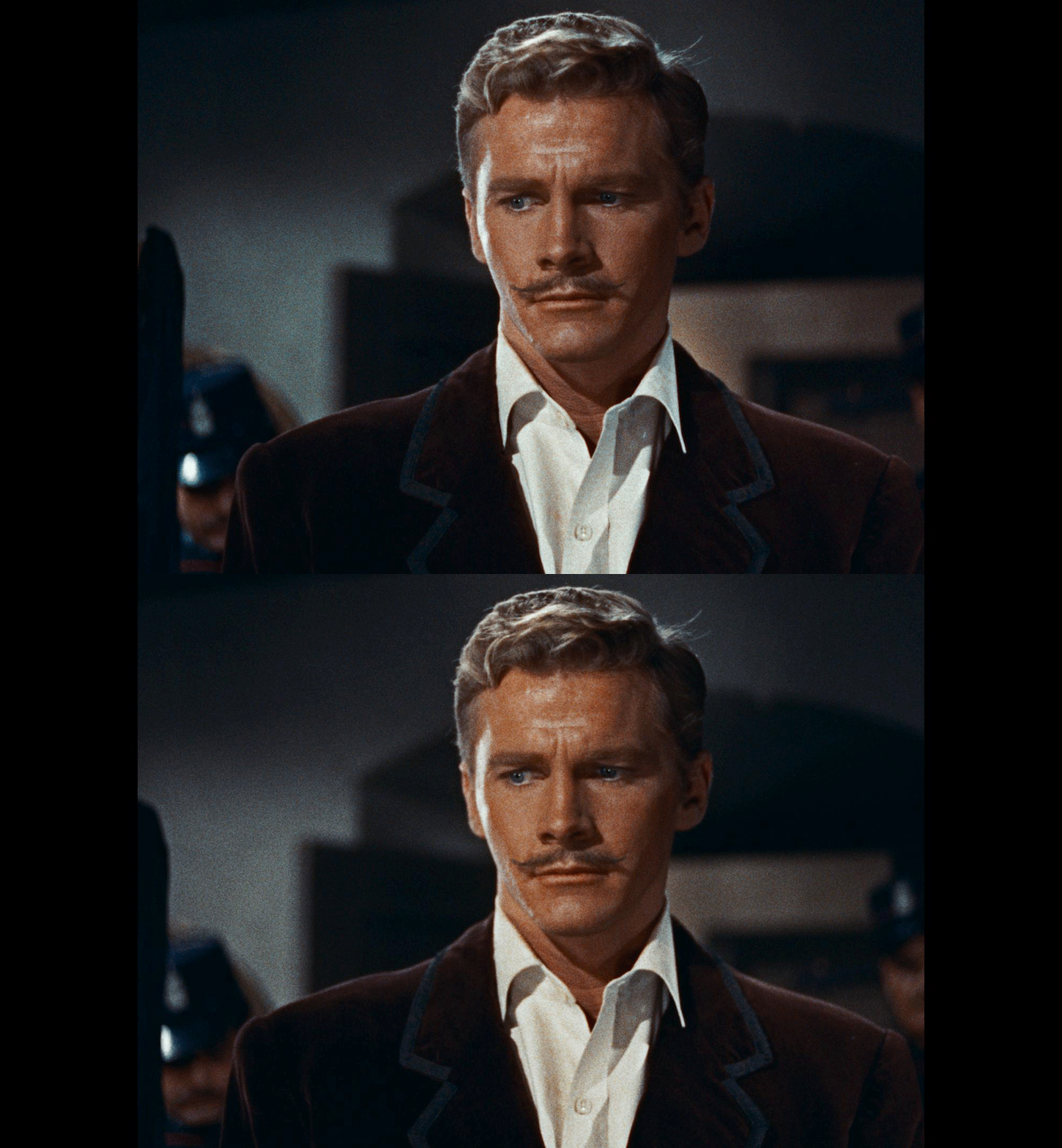
Working on Phantom of the Rue Morgue was genuinely amazing. The quality of the stereo blocking, camera positioning, and movement surpasses much of what we do today. The original negative itself was the reference for where to land the shots, and the moves I did afterward were purely to prevent eye strain.
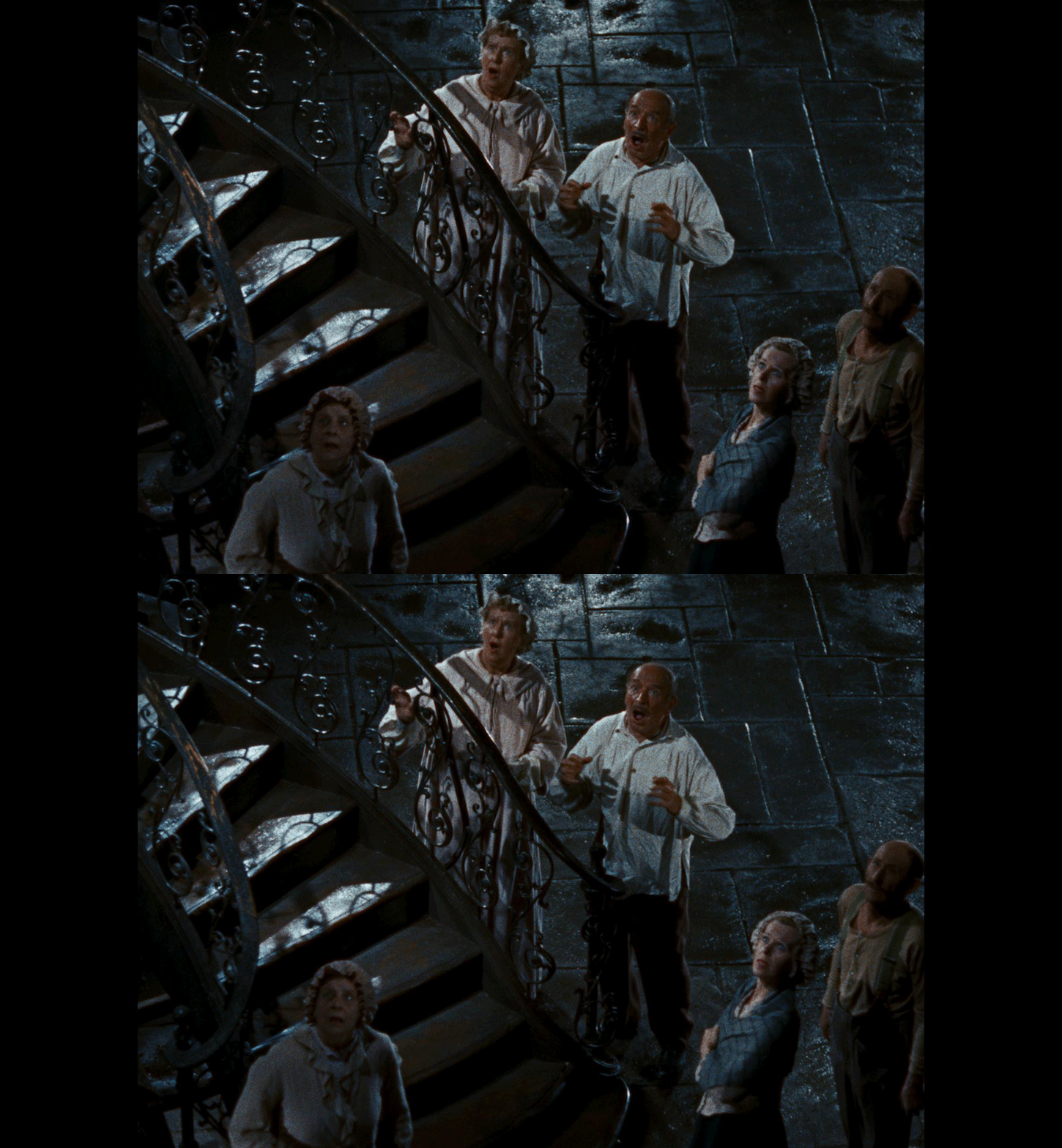
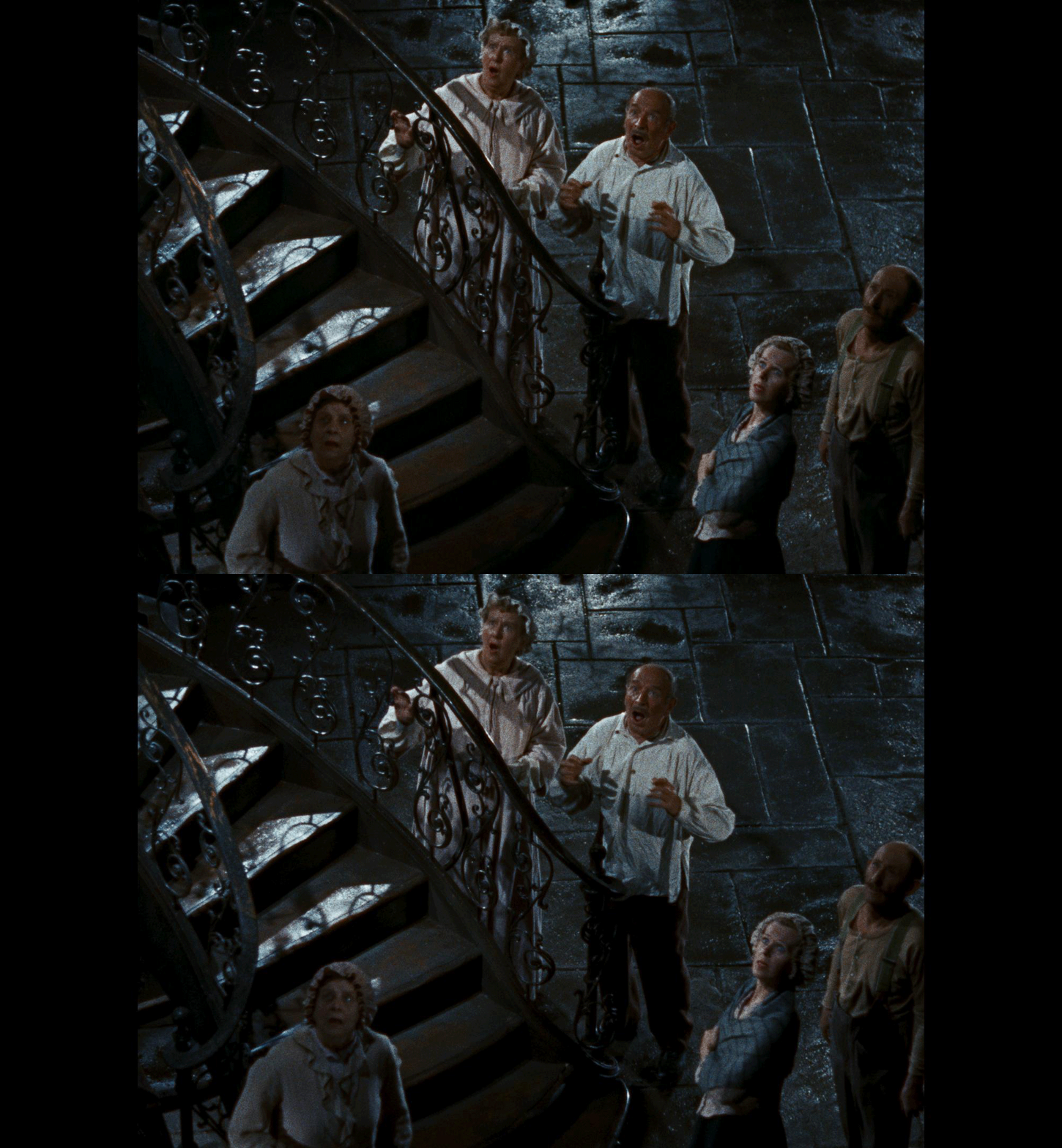
There were a few specific fixes required:
In a shot featuring a gorilla, there was a black slug in one eye. I successfully converted it to 3D using a depth map from a previous cutback of the same shot.
For an out of phase leg, I duplicated the first frame to bring the two eyes back into sync.
We left a wide shot of a city street alone, as the intentional wide interaxial separation was too great, and attempting to reduce it introduced too many optical flow artifacts.
We also had to manage a halo effect, which presented as ringing, an artifact from the optical printing process.
Aside from those specific instances, the 3D plays smoothly like butter. I'm very proud of the work done here.
Finally, we tackled The Bounty Hunter. This film was released in September 1954, but because the 3D fad had died out by the time it was finished, it only ever got a 2D release. This 2026 restoration marks its 3D World Premiere. The biggest issue for this title was the thin negative in some of the darker scenes, which resulted in the image not being visible in one eye. The fix was to use optical flow to grab the data from the "good" eye and push it to the crushed one. The blocking and staging were also a bit tricky; very deep shots with wide interaxial separation caused background occlusions. These disparities cause discomfort, and you get ghosting when a bright light is visible in one eye but not the other.
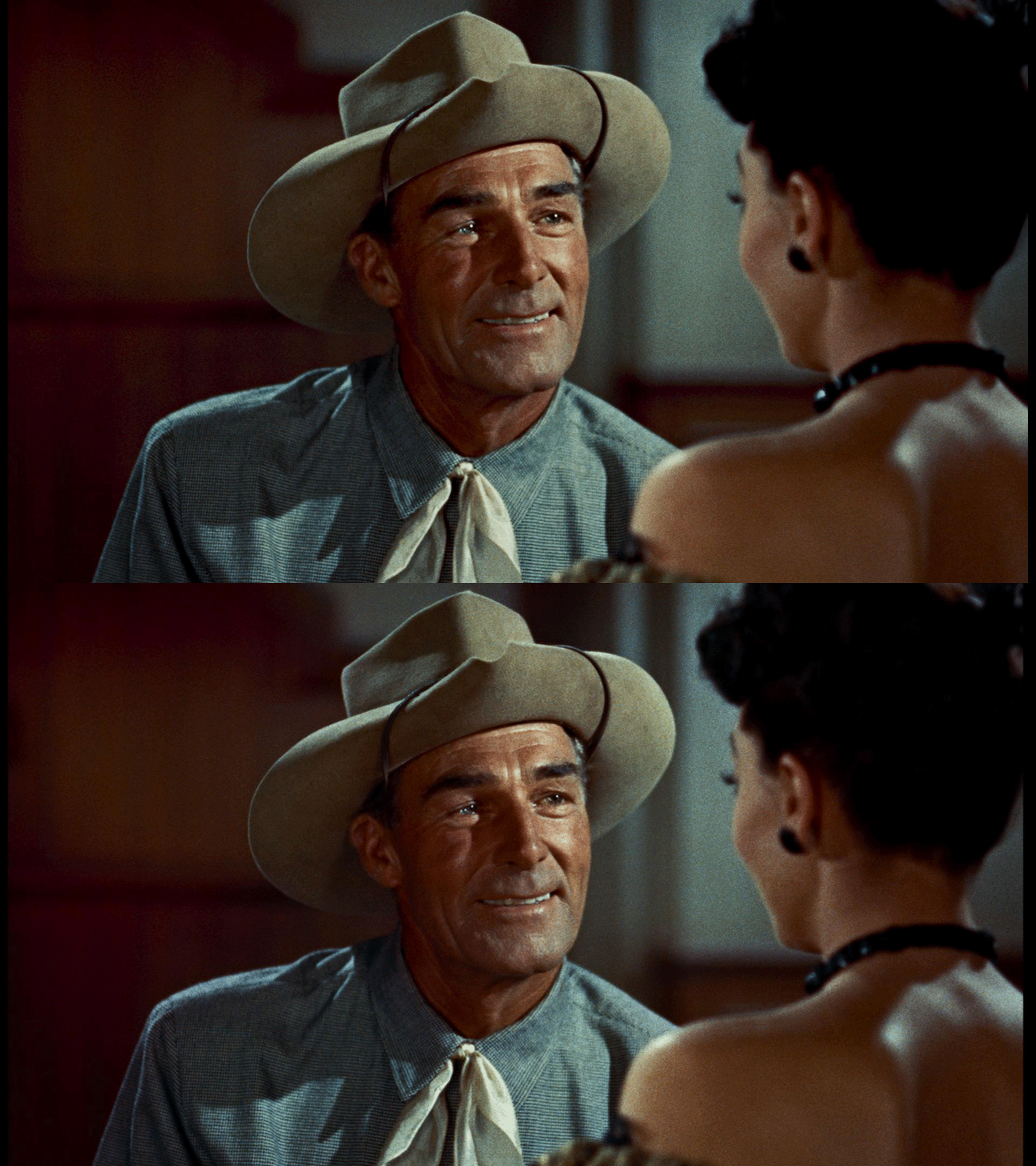
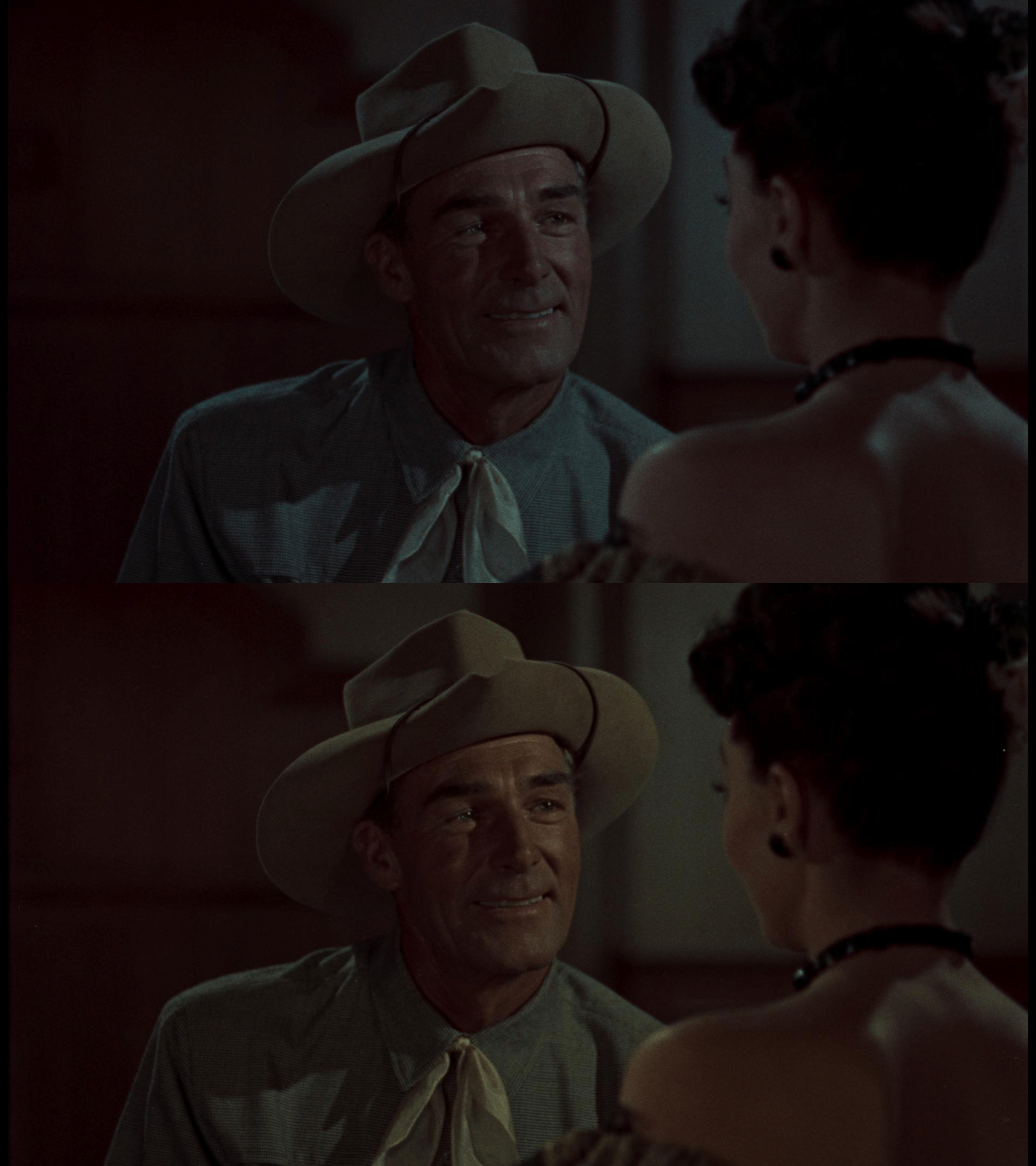
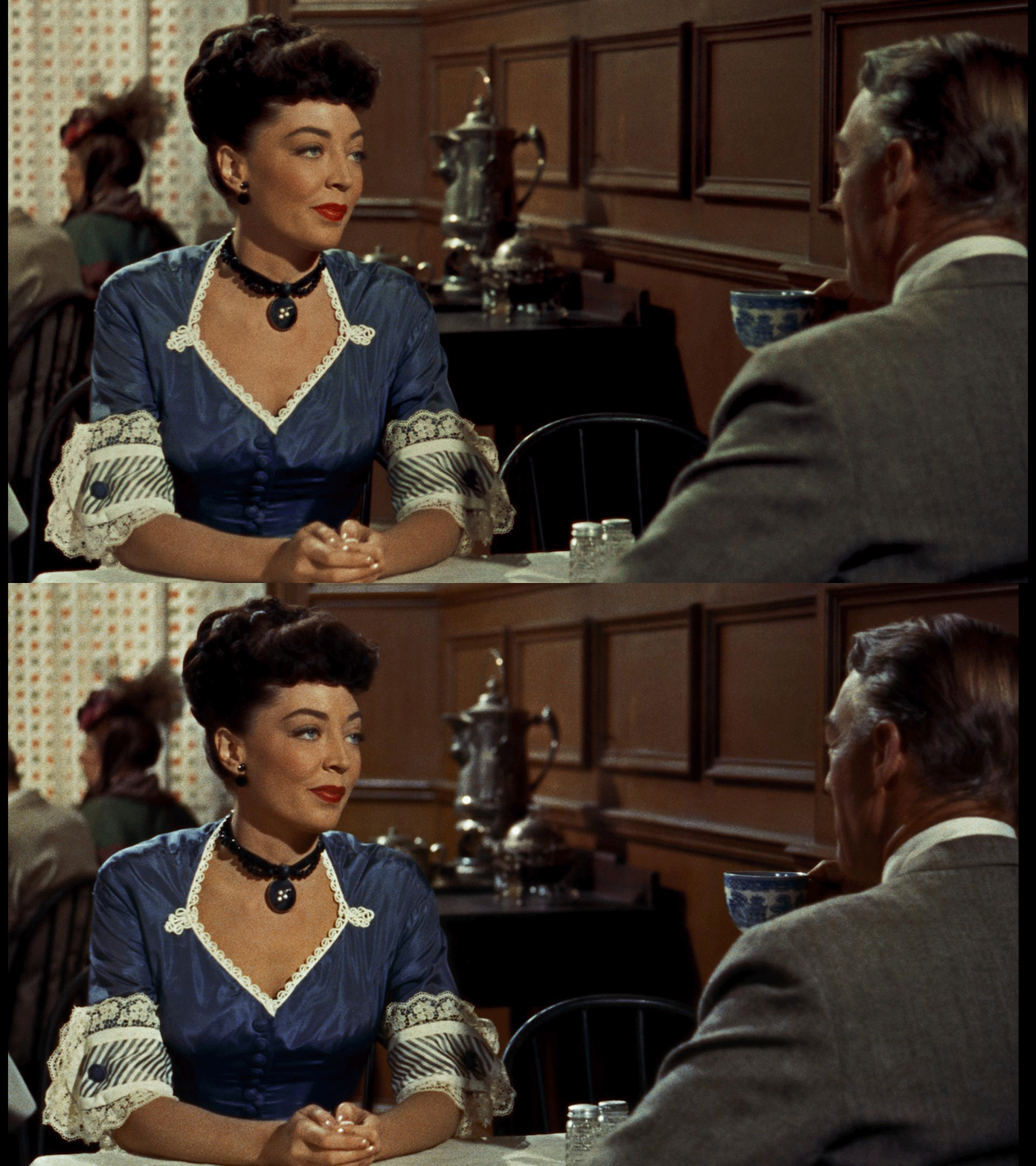
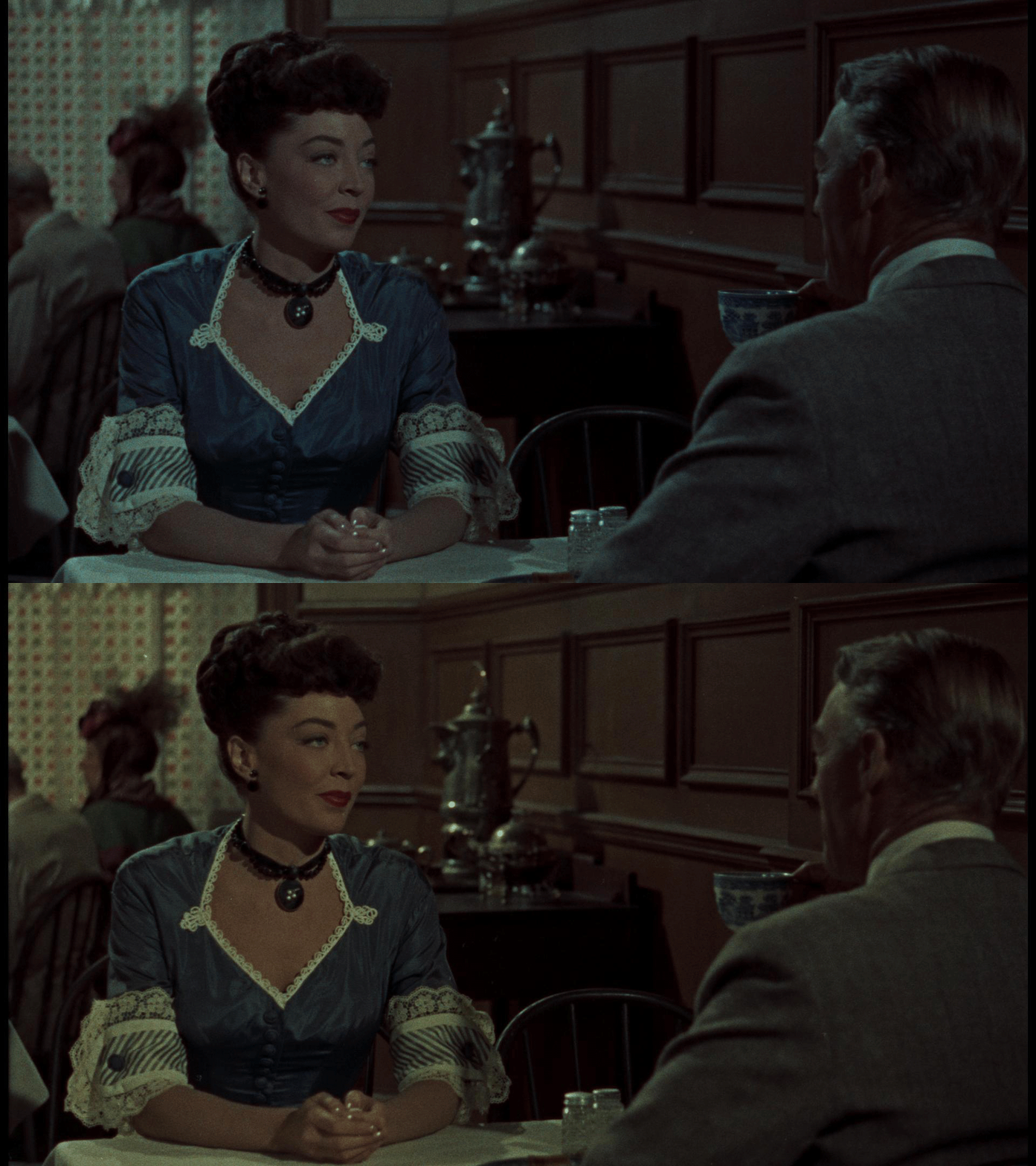
For all of these titles, every eye was scanned separately, graded first to get the eyes to match, and then rendered out to do 3D convergence.
It's an incredible feeling to leverage modern post tools to preserve the technical legacy of these artists.
A massive shout out is due to the incredible team that makes all of this possible. It truly takes a village... and a Water Tower! Huge thanks to Andrea Leigh Chlebak, Leo Ferrini, Laila Tehrani, and Patrick Brennan for their tireless dedication to the craft and for always keeping the quality bar so incredibly high. I also have to give a special nod to Paul Lavoie for flawlessly managing our operations and keeping the schedules running smoothly through every single complex project. To the rest of the Water Tower Color team, your hard work and expertise do not go unnoticed. We could not pull off these intricate 3D restorations without every single one of you.
Thanks for reading and happy grading.
JD